
AGOSTINO BONALUMI
AGOSTINO BONALUMI
Biography
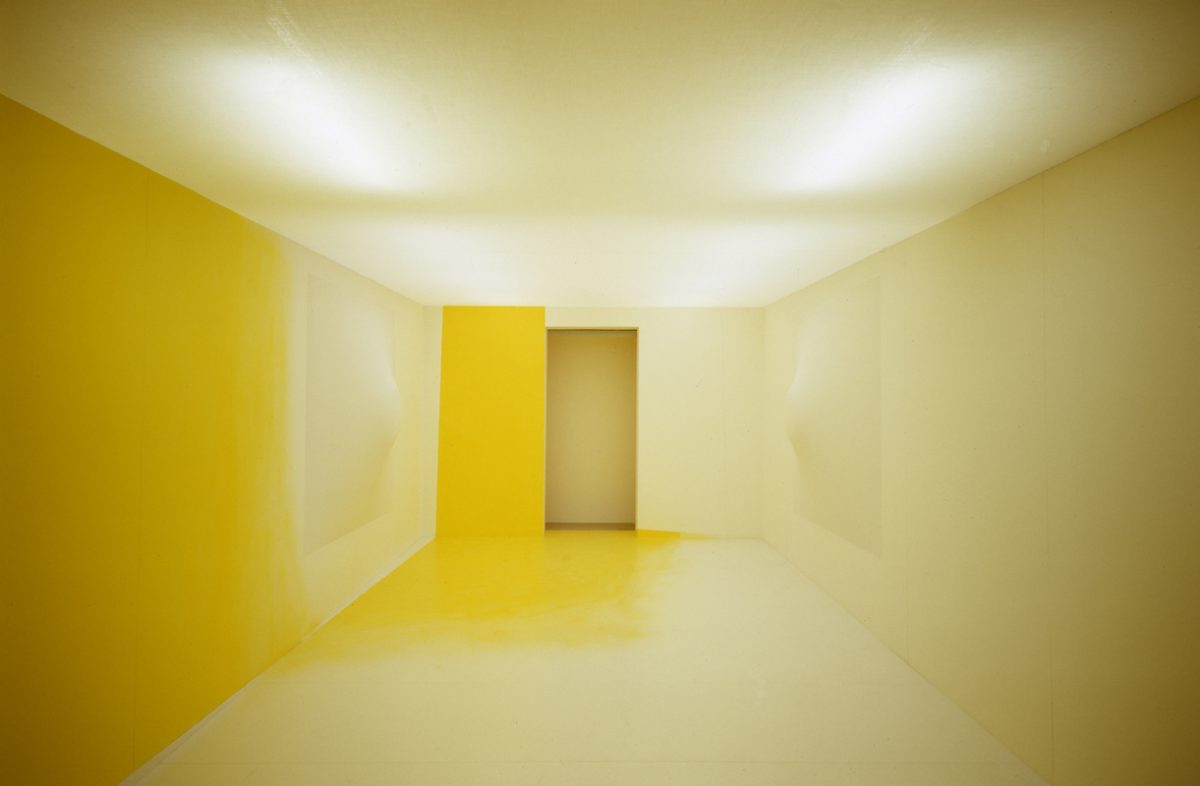
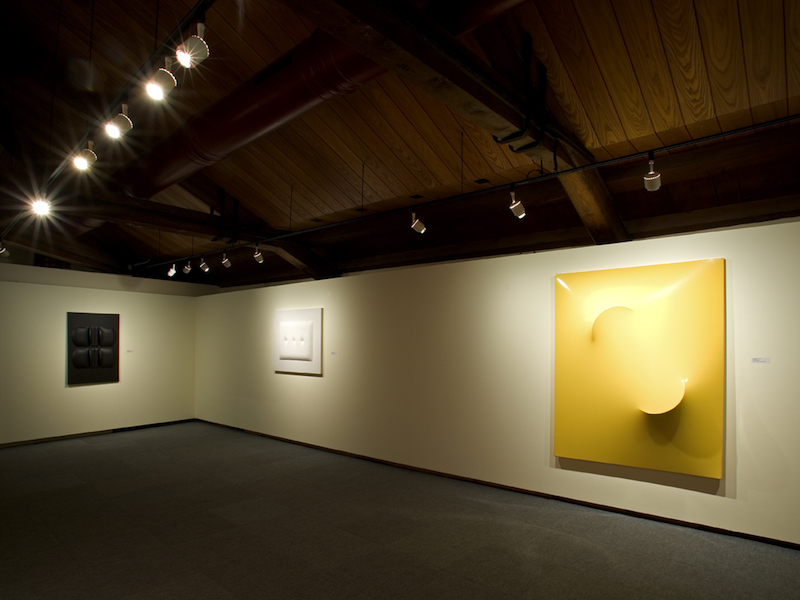
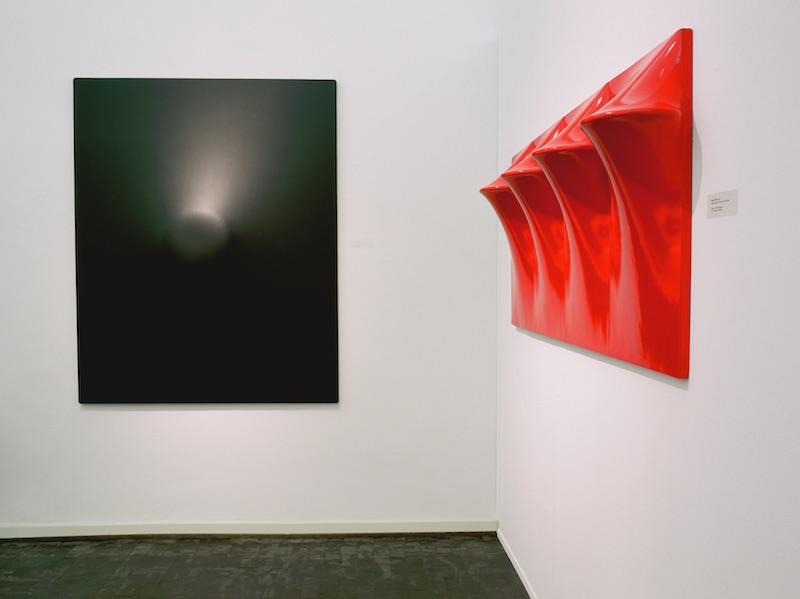
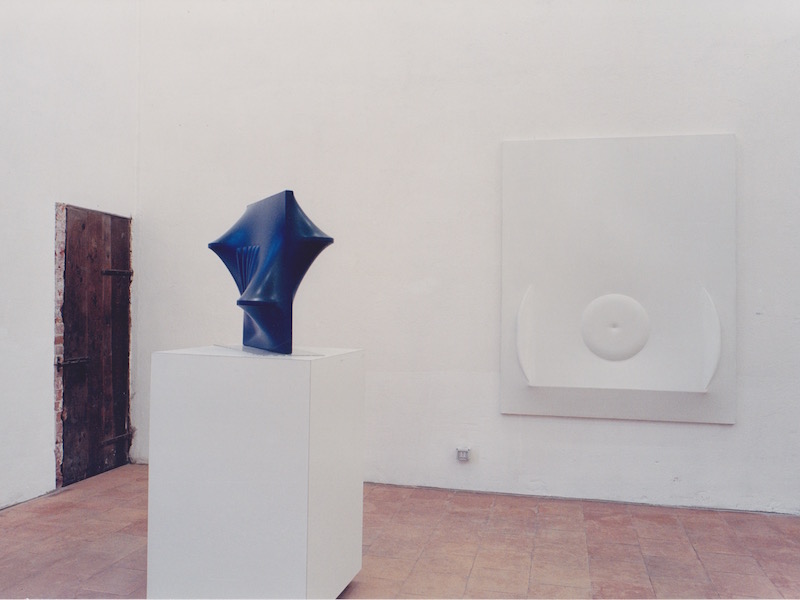
Born in Vimercate in 1935, Agostino Bonalumi passed away in Desio in 2013. After studying technical design, he started exploring a possible overcoming of informal painting through the use of “poor” materials such as concrete, scrub, straw. In 1958 together with Piero Manzoni and Enrico Castellani (with whom he founded the magazine “Azimuth” the following year) began a research aiming at redefining the language of painting, refusing and resetting all forms of representation. With the extroflected canvases, Bonalumi developed a personal style that makes the painted surface’s change according to light and perspective. Defined as “painting-object” by critic Gillo Dorfles, these pieces combine languages of painting and sculpture, suggesting a tactile experience. Faithful to a concept that crossed the various moments of his research, in the last works Bonalumi implied a sign that still alluded of construction and created environments with peculiar constructive and perceptive features.
In 1970 Agostino Bonalumi designed for the Teatro Romano, Verona, scenes and costumes for the ballet “Partita”, and in 1972 for the Teatro dell’Opera, Rome scenes and costumes for “Rot”. His first exhibitions in Milan dates 1958 and 1959; in 1960 he exhibited at Azimut Gallery together with Enrico Castellani and Piero Manzoni. Numerous solo and group exhibitions have been organized in public spaces all over the world, among the solos: Palazzo Reale, Milano (2018), MARCA, Museum of Arts of Catanzaro (2014), Moscow Museum of Modern Art, Moscow (2011), Loggiato di San Bartolomeo, Palermo (2008), Institut Matildenhohe, Darmstadt (2003), Galleria Comunale d’Arte Contemporanea, Portogruaro (1999), Padiglione d’Arte Contemporanea, Ferrara (1985), Museum of Art, Fort Lauderdale, Florida (1981), Italian Cultural Institute, New York (1979), Palazzo dei Musei, Modena (1974). Among the most important collective shows in institutions: Palazzo Strozzi, Florence (2018), Solomon R. Guggenheim Museum, New York (2014), Cultural Center Palacio de la Moneda, Santiago de Chile (2012), Museum of Contemporary Art, Chicago (2009), Palazzo Grassi, Venice (2008),
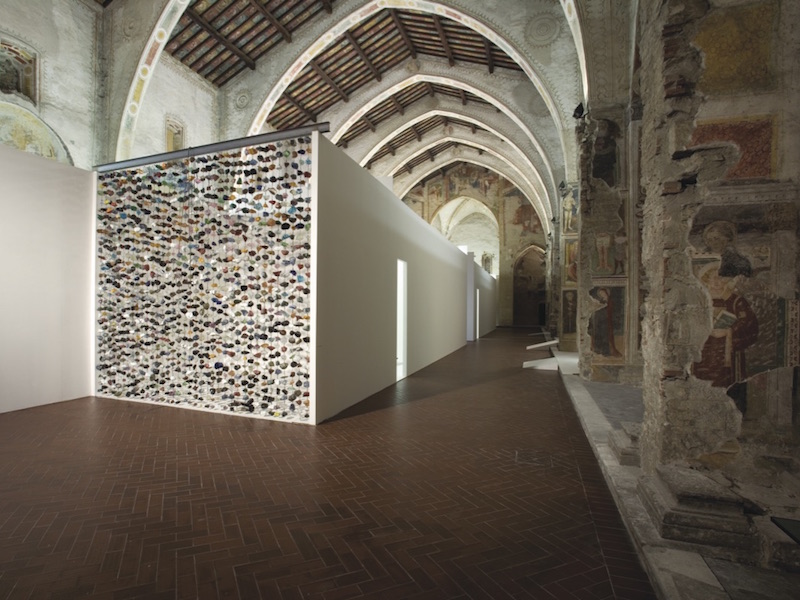
MART, Rovereto (2007), Museo della Permanente, Milan (2005), Museo Nacional Reina Sofia, Madrid (2004), Museum of Modern Art, New York (1992), Gulbenkian Museum of Contemporary Art, Lisbon (1986), Museum of Contemporary Art – Castello di Rivoli (1985), Galleria Civica d’Arte Moderna, Bologna (1978), Palais des Beaux Arts, Brussels (1969). Among the participations in international events: Rome Quadriennale (1999, 1986) and Venice Biennale (1986, 1970). His collaboration with Galleria Fumagalli began in 1998 with the setting of a personal exhibition and the publication of a monograph with texts by Alberto Fiz and Marco Meneguzzo. In 2003, on the occasion of a retrospective dedicated to the artist at the Institut Mathildenhöe in Darmstadt and in collaboration with Galleria Niccoli in Parma, a volume of over 300 pages was published to document his work from the beginning, with texts by Gillo Dorfles, Marco Meneguzzo and Klaus Wolbert. In 2004 Galleria Fumagalli presented the second solo exhibition “Agostino Bonalumi. Spatial experience – Provocation between construction and perception”. In 2005 he exhibited in the show “VISIONI, 20 artists in Sant’Agostino”.
Biography
Born in Vimercate in 1935, Agostino Bonalumi passed away in Desio in 2013. After studying technical design, he started exploring a possible overcoming of informal painting through the use of “poor” materials such as concrete, scrub, straw. In 1958 together with Piero Manzoni and Enrico Castellani (with whom he founded the magazine “Azimuth” the following year) began a research aiming at redefining the language of painting, refusing and resetting all forms of representation. With the extroflected canvases, Bonalumi developed a personal style that makes the painted surface’s change according to light and perspective. Defined as “painting-object” by critic Gillo Dorfles, these pieces combine languages of painting and sculpture, suggesting a tactile experience. Faithful to a concept that crossed the various moments of his research, in the last works Bonalumi implied a sign that still alluded of construction and created environments with peculiar constructive and perceptive features.
In 1970 Agostino Bonalumi designed for the Teatro Romano, Verona, scenes and costumes for the ballet “Partita”, and in 1972 for the Teatro dell’Opera, Rome scenes and costumes for “Rot”. His first exhibitions in Milan dates 1958 and 1959; in 1960 he exhibited at Azimut Gallery together with Enrico Castellani and Piero Manzoni. Numerous solo and group exhibitions have been organized in public spaces all over the world, among the solos: Palazzo Reale, Milano (2018), MARCA, Museum of Arts of Catanzaro (2014), Moscow Museum of Modern Art, Moscow (2011), Loggiato di San Bartolomeo, Palermo (2008), Institut Matildenhohe, Darmstadt (2003), Galleria Comunale d’Arte Contemporanea, Portogruaro (1999), Padiglione d’Arte Contemporanea, Ferrara (1985), Museum of Art, Fort Lauderdale, Florida (1981), Italian Cultural Institute, New York (1979), Palazzo dei Musei, Modena (1974). Among the most important collective shows in institutions: Palazzo Strozzi, Florence (2018), Solomon R. Guggenheim Museum, New York (2014), Cultural Center Palacio de la Moneda, Santiago de Chile (2012), Museum of Contemporary Art, Chicago (2009), Palazzo Grassi, Venice (2008),
MART, Rovereto (2007), Museo della Permanente, Milan (2005), Museo Nacional Reina Sofia, Madrid (2004), Museum of Modern Art, New York (1992), Gulbenkian Museum of Contemporary Art, Lisbon (1986), Museum of Contemporary Art – Castello di Rivoli (1985), Galleria Civica d’Arte Moderna, Bologna (1978), Palais des Beaux Arts, Brussels (1969). Among the participations in international events: Rome Quadriennale (1999, 1986) and Venice Biennale (1986, 1970). His collaboration with Galleria Fumagalli began in 1998 with the setting of a personal exhibition and the publication of a monograph with texts by Alberto Fiz and Marco Meneguzzo. In 2003, on the occasion of a retrospective dedicated to the artist at the Institut Mathildenhöe in Darmstadt and in collaboration with Galleria Niccoli in Parma, a volume of over 300 pages was published to document his work from the beginning, with texts by Gillo Dorfles, Marco Meneguzzo and Klaus Wolbert. In 2004 Galleria Fumagalli presented the second solo exhibition “Agostino Bonalumi. Spatial experience – Provocation between construction and perception”. In 2005 he exhibited in the show “VISIONI, 20 artists in Sant’Agostino”.
Exhibition
SOLO EXHIBITIONS
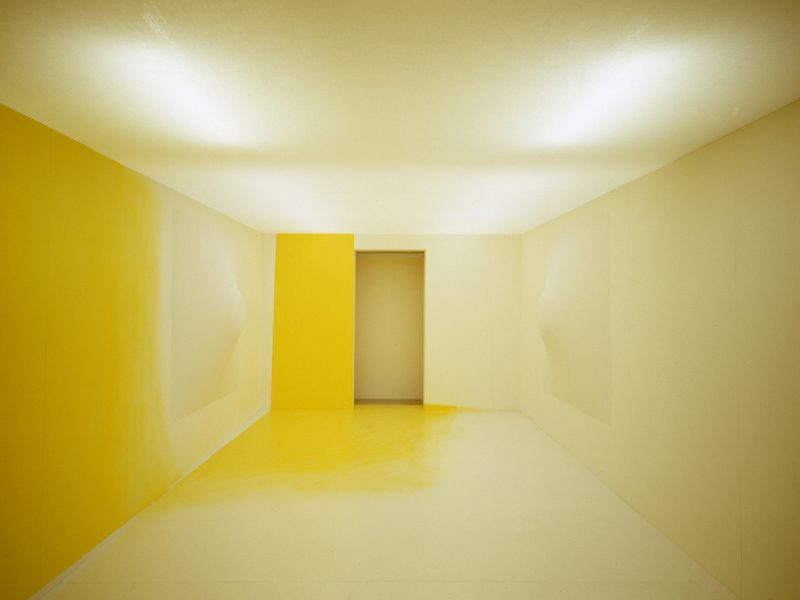
AGOSTINO BONALUMI
L’esperienza spaziale
Opening 13 March, 2004
16 March to 24 April, 2004
GROUP EXHIBITIONS
Exhibition
SOLO EXHIBITIONS
AGOSTINO BONALUMI
L’esperienza spaziale
Opening 13 March, 2004
16 March to 24 April, 2004
GROUP EXHIBITIONS
Institutions
Institutions


