MAURIZIO NANNUCCI
MAURIZIO NANNUCCI
Biography
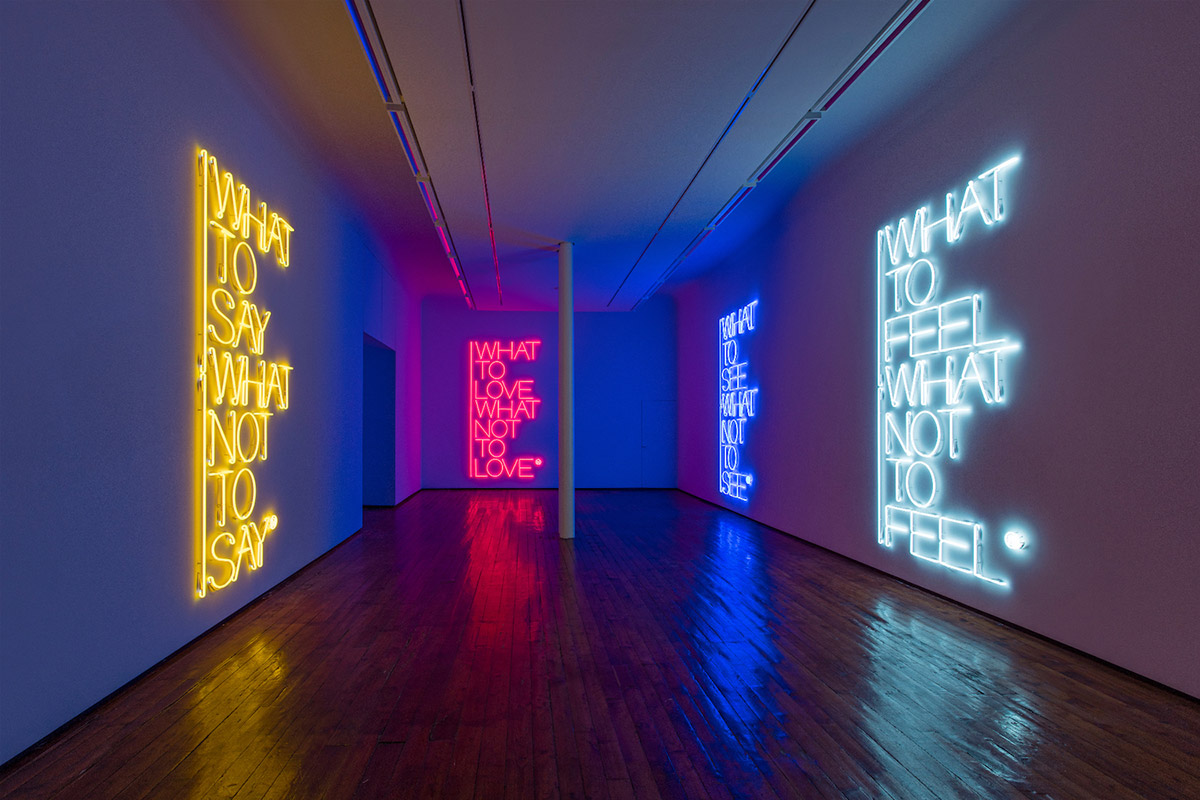
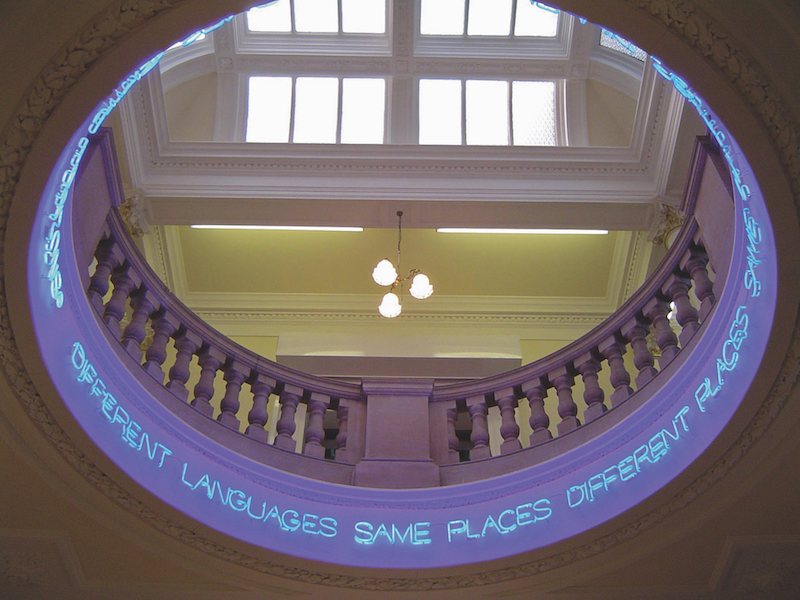
Maurizio Nannucci, born in Florence in 1939, lives and works between his hometown and South Baden, Germany. Since the early 1960s he has been exploring the conceptual and perceptive aspects of language starting from the single letter, enhancing its typographic and minimal dimension. He also tackles the theme of color by combining it with language, later introducing neon. The first neon writings date back to 1967: they bring new ranges of meaning in relation to the space in which they are placed: the work becomes the result of a fluid amalgam of colour, light, sign and meaning, generating an all-encompassing involvement of the viewer and stimulating new possibilities of perception (sensual and conceptual) and interaction with the spatial context. As result of an interdisciplinary approach, Maurizio Nannucci’s research aims at the diffusion and circulation of art through an active and continuous dialogue between visual art, poetry and architecture.
He is the founder of the self-managed spaces Zona (Florence, 1974-1985) and Base/Progetti per l’arte (Florence, since 1998), as well as author and collector of records, books and artist’s editions. In the early 1990s he began collaborating with internationally renowned architects such as Fritz Auer, Renzo Piano, Massimiliano Fuksas, Mario Botta, Nicolas Grimshaw and Stephan Braunfels.
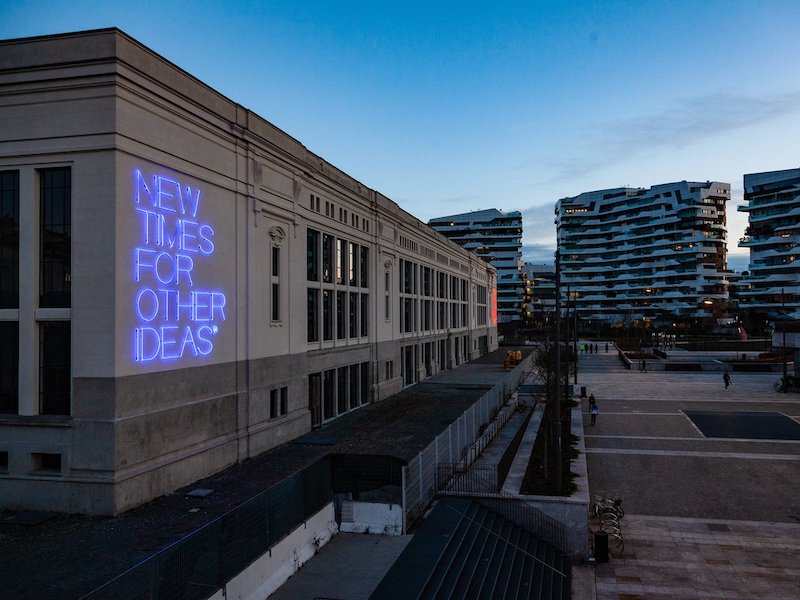
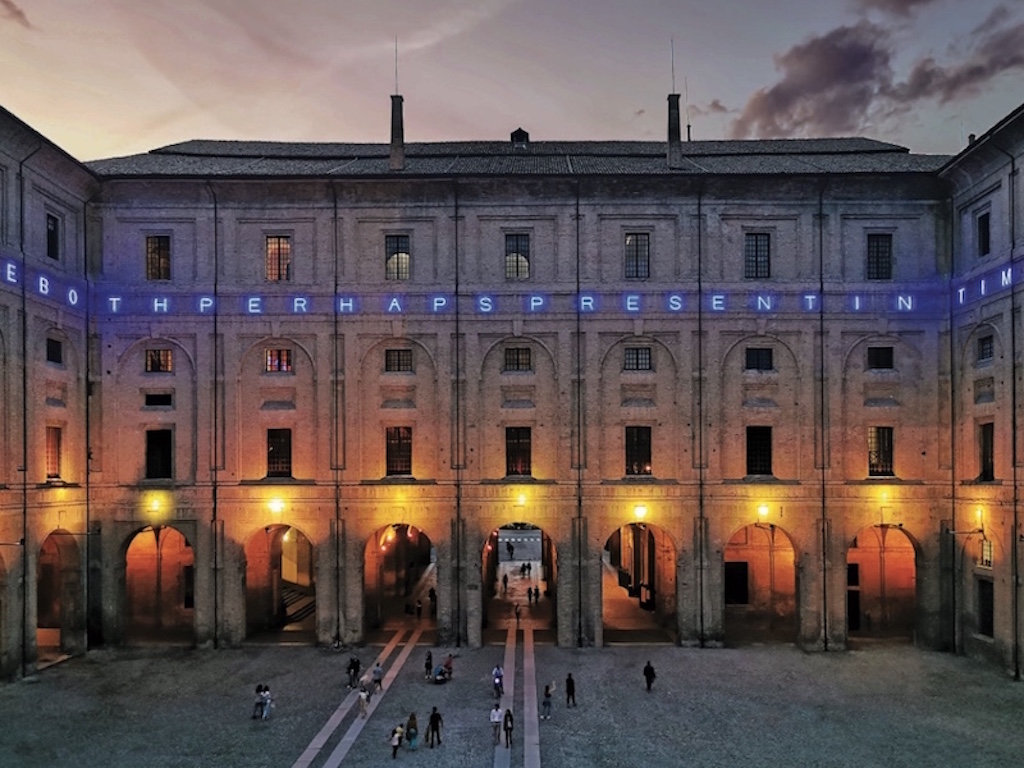
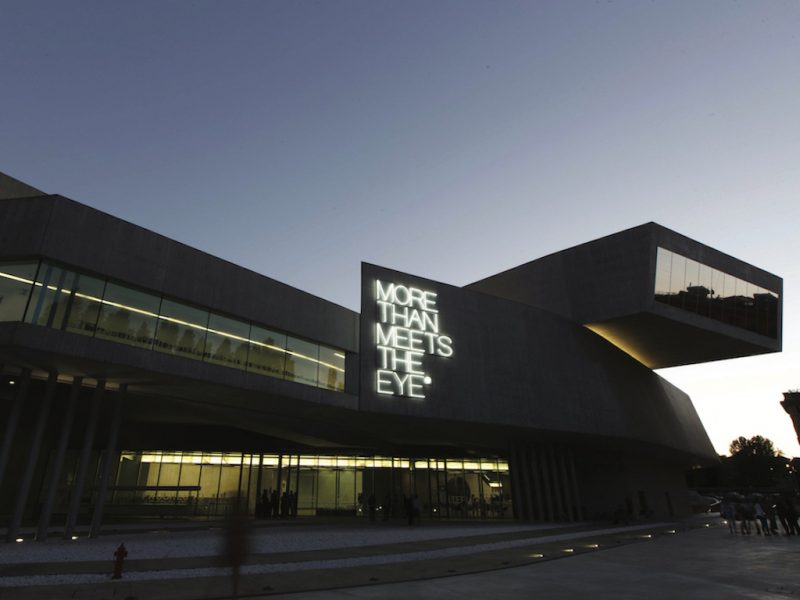
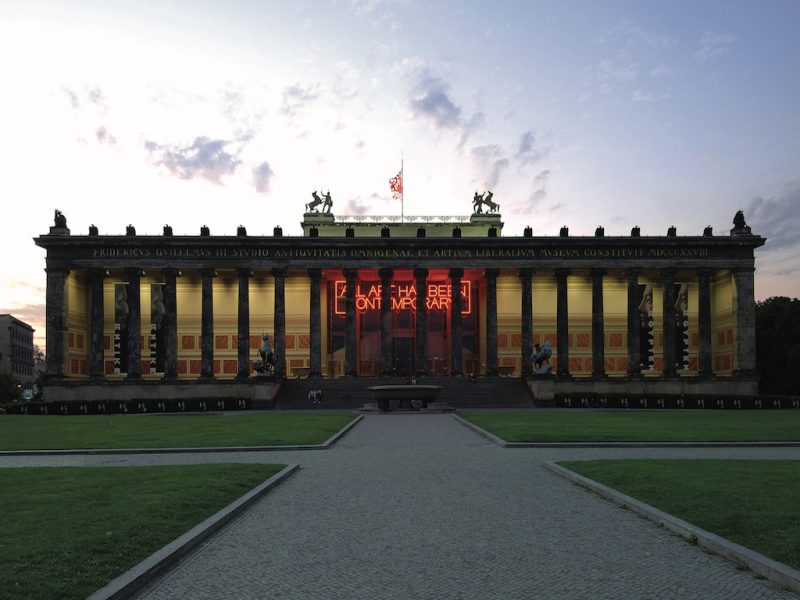
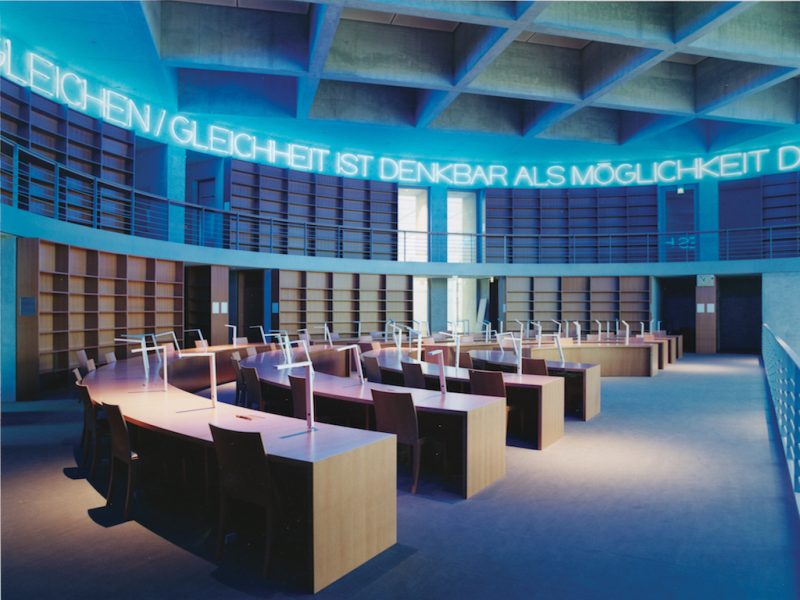
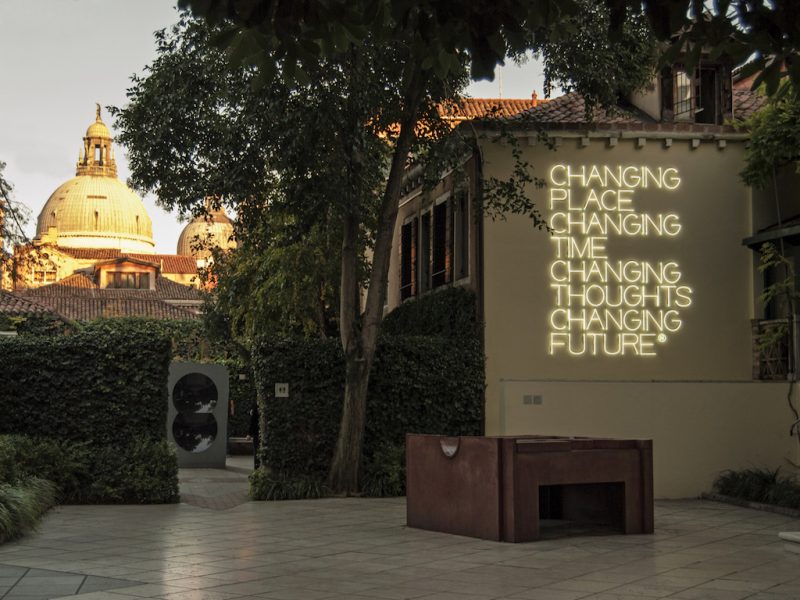
He created many installations for public institutions and places: Carpenter Center, Harvard University, Cambridge; Auditorium Parco della Musica, Rome; Bibliothek des Deutschen Bundestages and Altes Museum, Berlin; Kunsthalle, Wien; Lenbachhaus München; Villa Arson, Nice; Peggy Guggenheim Foundation, Venice; MAMCO, Genève; GAM, Turin; Hubbrücke, Magdeburg; Uffizi Gallery, Florence; Museum of Fine Arts, Boston; MAXXI, Rome; Pilotta complex, Parma; ArtLine Milano – Contemporary Art Park, Milan.
Among the most recent solo exhibitions: FLAT, Nuvola Lavazza, Turin (2019); MAMCO, Genève (2017); MAXXI, Rome (2015); Museion, Bolzano (2015); MAMC, Saint-Étienne (2012); Uffizi Gallery, Florence (2010); Triennale di Milano (2006); Altes Museum, Berlin (2005). His works have been exhibited in more than 300 museums and galleries and are part of collections such as: Fondazione Peggy Guggenheim, Venice; Städtische Galerie im Lenbachhaus, München; Staatliche Museen, Berlin; Kunstsammlung des Deutschen Bundestages, Berlin; Museum of Fine Arts, Boston; The Parkview Museum, Singapore; Centre National des Arts Plastiques, Paris & Metz; MAXXI, Rome.
Over the years Maurizio Nannucci has been invited to take part in: Venice Biennale (2011, 2000, 1995, 1990, 1978, 1969), Valencia Biennial (2003), Istanbul Biennial (1995), Biennial of Sydney (1990, 1982), Documenta, Kassel (1987, 1977) and Bienal de São Paulo (1981).
His collaboration with Galleria Fumagalli began in 2005 with his solo exhibition “Neon Words”. In the same year he was invited to participate in “Visioni” at the former church of Sant’Agostino in Bergamo. In 2011 he exhibited in the group show he conceived himself, dedicated to four Italian conceptual masters: “ACMN. Giovanni Anselmo, Enrico Castellani, Maurizio Mochetti, Maurizio Nannucci”, whose book was published in 2018. His second solo, “What to see what not to see”, dates back to 2017, presented in the new venue in Milan. In 2021 Nannucci’s works were selected by critic Lóránd Hegyi to be included in the second and seventh exhibitions of the program “MY30YEARS – Coherency in Diversity”, which celebrates Annamaria Maggi’s 30-year career at the helm of the Gallery.
Biography
Maurizio Nannucci, born in Florence in 1939, lives and works between his hometown and South Baden, Germany. Since the early 1960s he has been exploring the conceptual and perceptive aspects of language starting from the single letter, enhancing its typographic and minimal dimension. He also tackles the theme of color by combining it with language, later introducing neon. The first neon writings date back to 1967: they bring new ranges of meaning in relation to the space in which they are placed: the work becomes the result of a fluid amalgam of colour, light, sign and meaning, generating an all-encompassing involvement of the viewer and stimulating new possibilities of perception (sensual and conceptual) and interaction with the spatial context. As result of an interdisciplinary approach, Maurizio Nannucci’s research aims at the diffusion and circulation of art through an active and continuous dialogue between visual art, poetry and architecture.
He is the founder of the self-managed spaces Zona (Florence, 1974-1985) and Base/Progetti per l’arte (Florence, since 1998), as well as author and collector of records, books and artist’s editions. In the early 1990s he began collaborating with internationally renowned architects such as Fritz Auer, Renzo Piano, Massimiliano Fuksas, Mario Botta, Nicolas Grimshaw and Stephan Braunfels. He created many installations for public institutions and places: Carpenter Center, Harvard University, Cambridge; Auditorium Parco della Musica, Rome; Bibliothek des Deutschen Bundestages and Altes Museum, Berlin; Kunsthalle, Wien; Lenbachhaus München; Villa Arson, Nice; Peggy Guggenheim Foundation, Venice; MAMCO, Genève; GAM, Turin; Hubbrücke, Magdeburg; Uffizi Gallery, Florence; Museum of Fine Arts, Boston; MAXXI, Rome; Pilotta complex, Parma; ArtLine Milano – Contemporary Art Park, Milan.
Among the most recent solo exhibitions: FLAT, Nuvola Lavazza, Turin (2019); MAMCO, Genève (2017); MAXXI, Rome (2015); Museion, Bolzano (2015); MAMC, Saint-Étienne (2012); Uffizi Gallery, Florence (2010); Triennale di Milano (2006); Altes Museum, Berlin (2005). His works have been exhibited in more than 300 museums and galleries and are part of collections such as: Fondazione Peggy Guggenheim, Venice; Städtische Galerie im Lenbachhaus, München; Staatliche Museen, Berlin; Kunstsammlung des Deutschen Bundestages, Berlin; Museum of Fine Arts, Boston; The Parkview Museum, Singapore; Centre National des Arts Plastiques, Paris & Metz; MAXXI, Rome. Over the years Maurizio Nannucci has been invited to take part in: Venice Biennale (2011, 2000, 1995, 1990, 1978, 1969), Valencia Biennial (2003), Istanbul Biennial (1995), Biennial of Sydney (1990, 1982), Documenta, Kassel (1987, 1977) and Bienal de São Paulo (1981).
His collaboration with Galleria Fumagalli began in 2005 with his solo exhibition “Neon Words”. In the same year he was invited to participate in “Visioni” at the former church of Sant’Agostino in Bergamo. In 2011 he exhibited in the group show he conceived himself, dedicated to four Italian conceptual masters: “ACMN. Giovanni Anselmo, Enrico Castellani, Maurizio Mochetti, Maurizio Nannucci”, whose book was published in 2018. His second solo, “What to see what not to see”, dates back to 2017, presented in the new venue in Milan. In 2021 Nannucci’s works were selected by critic Lóránd Hegyi to be included in the second and seventh exhibitions of the program “MY30YEARS – Coherency in Diversity”, which celebrates Annamaria Maggi’s 30-year career at the helm of the Gallery.
Works


Works


Press
Press
Exhibitions
SOLO EXHIBITIONS
MAURIZIO NANNUCCI
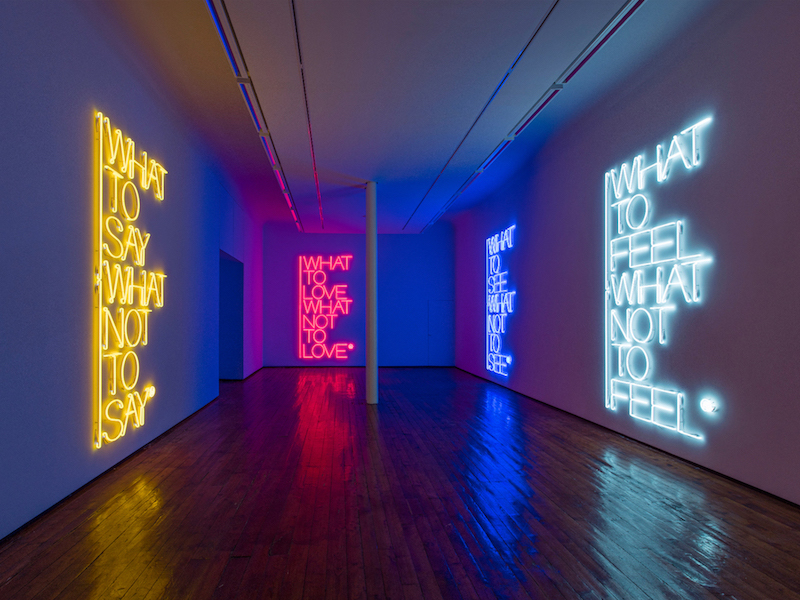
What to see what not to see
Opening 3 May, 2017
4 May to 22 July, 2017
GROUP EXHIBITIONS
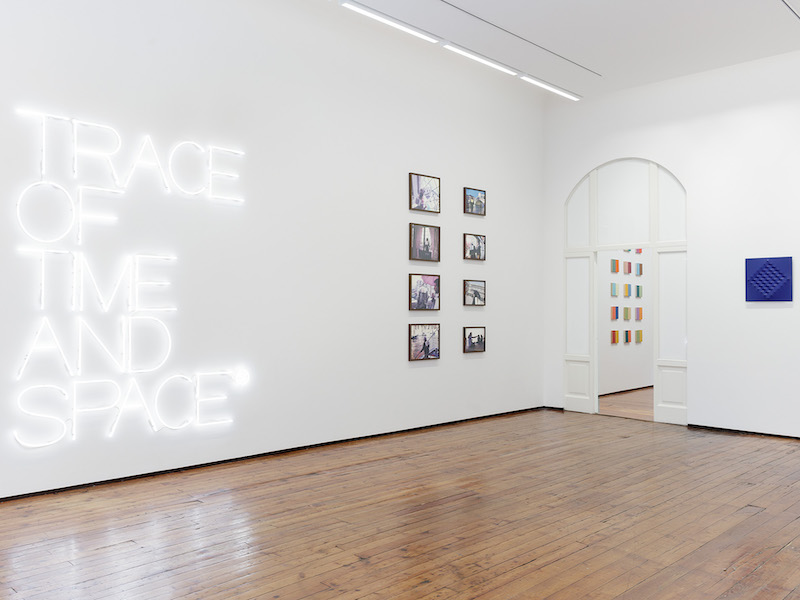
Sistema – Dematerializzazione – Testo
Opening 7 September, 2021
8 September to 5 November, 2021
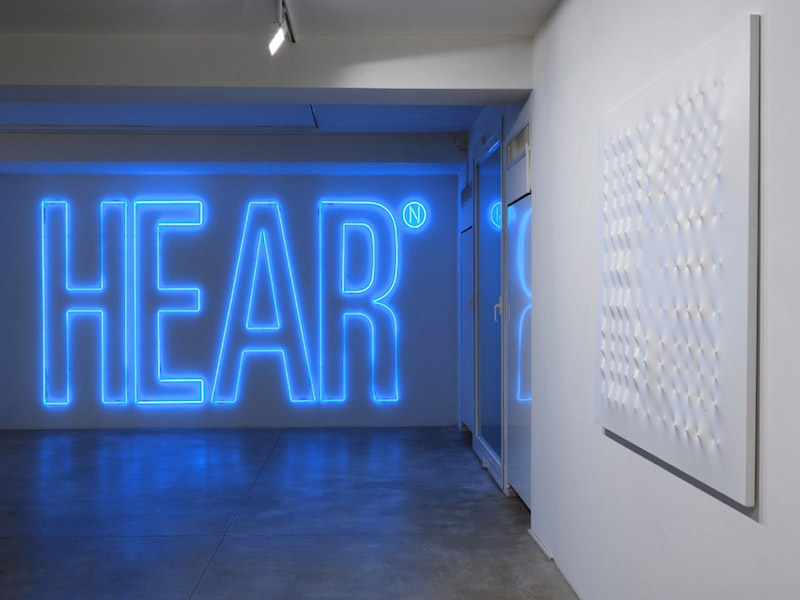
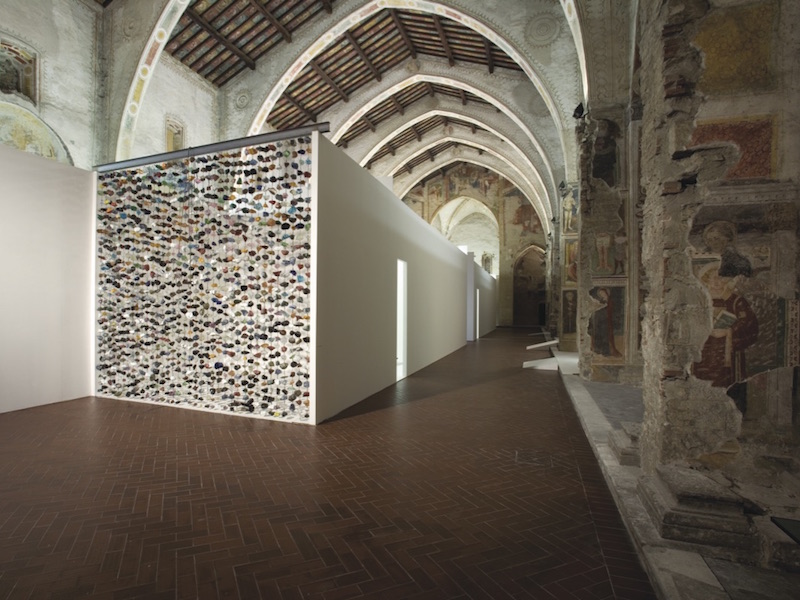
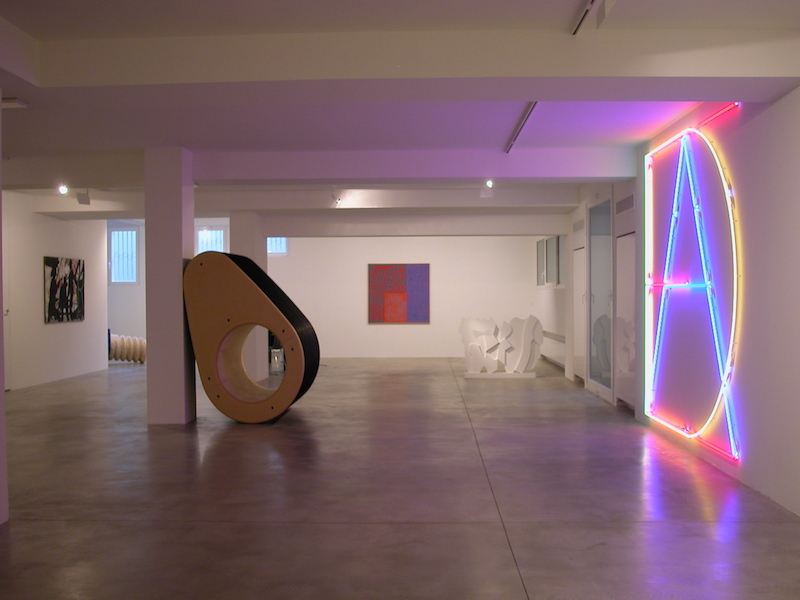
ACMN – Anselmo, Castellani, Mochetti, Nannucci
Opening 28 May, 2011
31 May to 8 October, 2011
Exhibitions
SOLO EXHIBITIONS
MAURIZIO NANNUCCI
What to see what not to see
Opening 3 May, 2017
4 May to 22 July, 2017
GROUP EXHIBITIONS
Sistema – Dematerializzazione – Testo
Opening 7 September, 2021
8 September to 5 November, 2021
ACMN – Anselmo, Castellani, Mochetti, Nannucci
Opening 28 May, 2011
31 May to 8 October, 2011
Institutions

Institutions